Greece Cruises: Ancient Marvels, Whitewashed Villages, and Endless Aegean Blue

A Greece cruise carries you across waters that shaped philosophy, democracy, and the Western imagination, and it does the carrying while you sleep. One morning delivers a hilltop ruin above a sapphire sea, the next a whitewashed village clinging to a cliff, and the next a harbor lined with tavernas and fishing boats. Few destinations pack this much history and coastline into a single voyage. Our complimentary concierge service helps you match the right islands, the right ship, and the right season to the trip you have been picturing.

For itineraries that combine the Greek islands with Turkey, Italy, or other Mediterranean regions, our White Glove Service can manage transfers and port-to-port logistics from start to finish.

Your Extraordinary Greece Adventure Awaits

Discover whitewashed villages perched above azure seas, ancient ruins whispering myths, and sun-drenched islands that beckon with timeless charm. Take a closer look at four stunning scenes that showcase the essence of Greek island life.
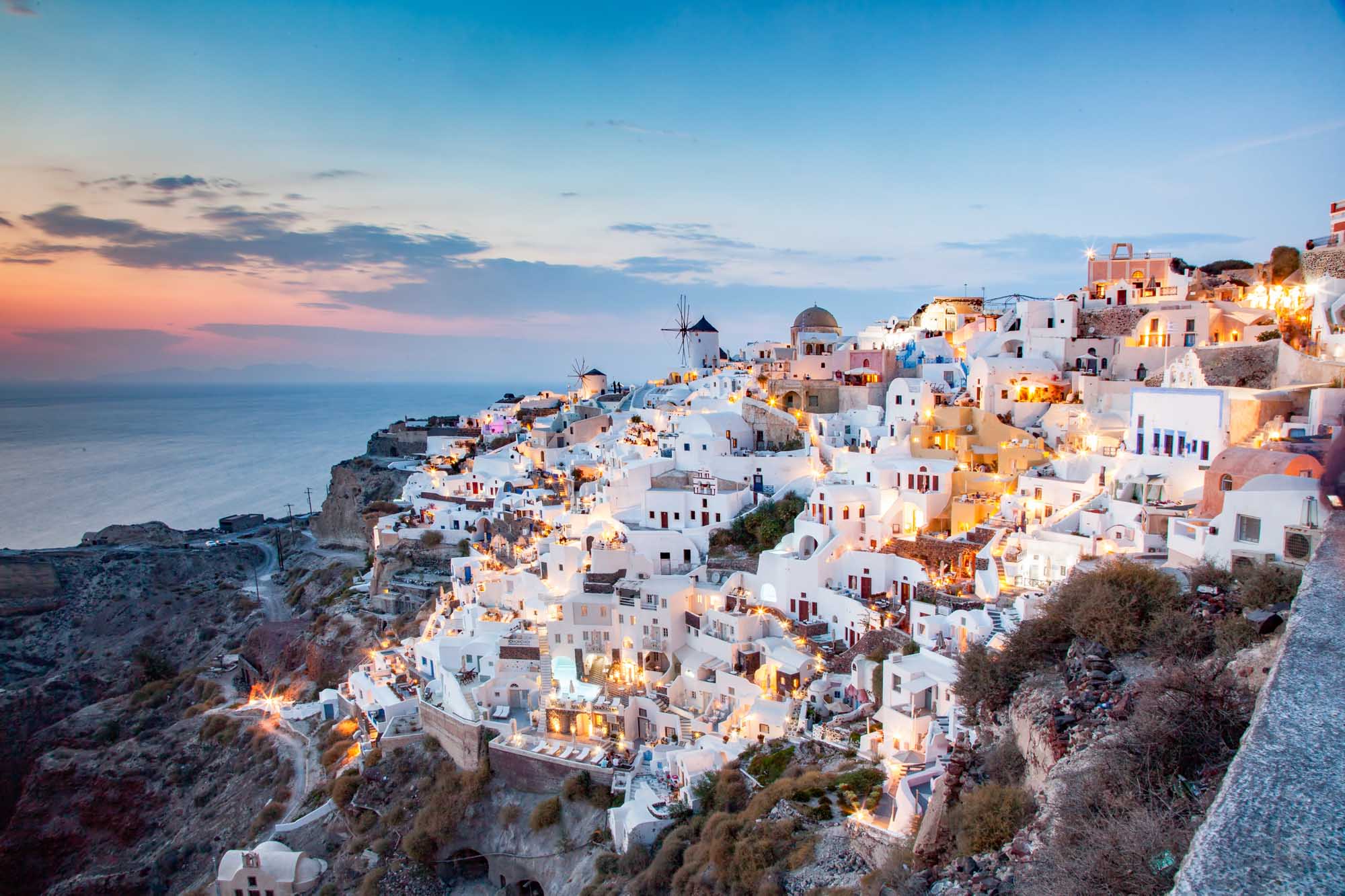
A stunning twilight view of Oia, Santorini's iconic cliffside village, with whitewashed buildings
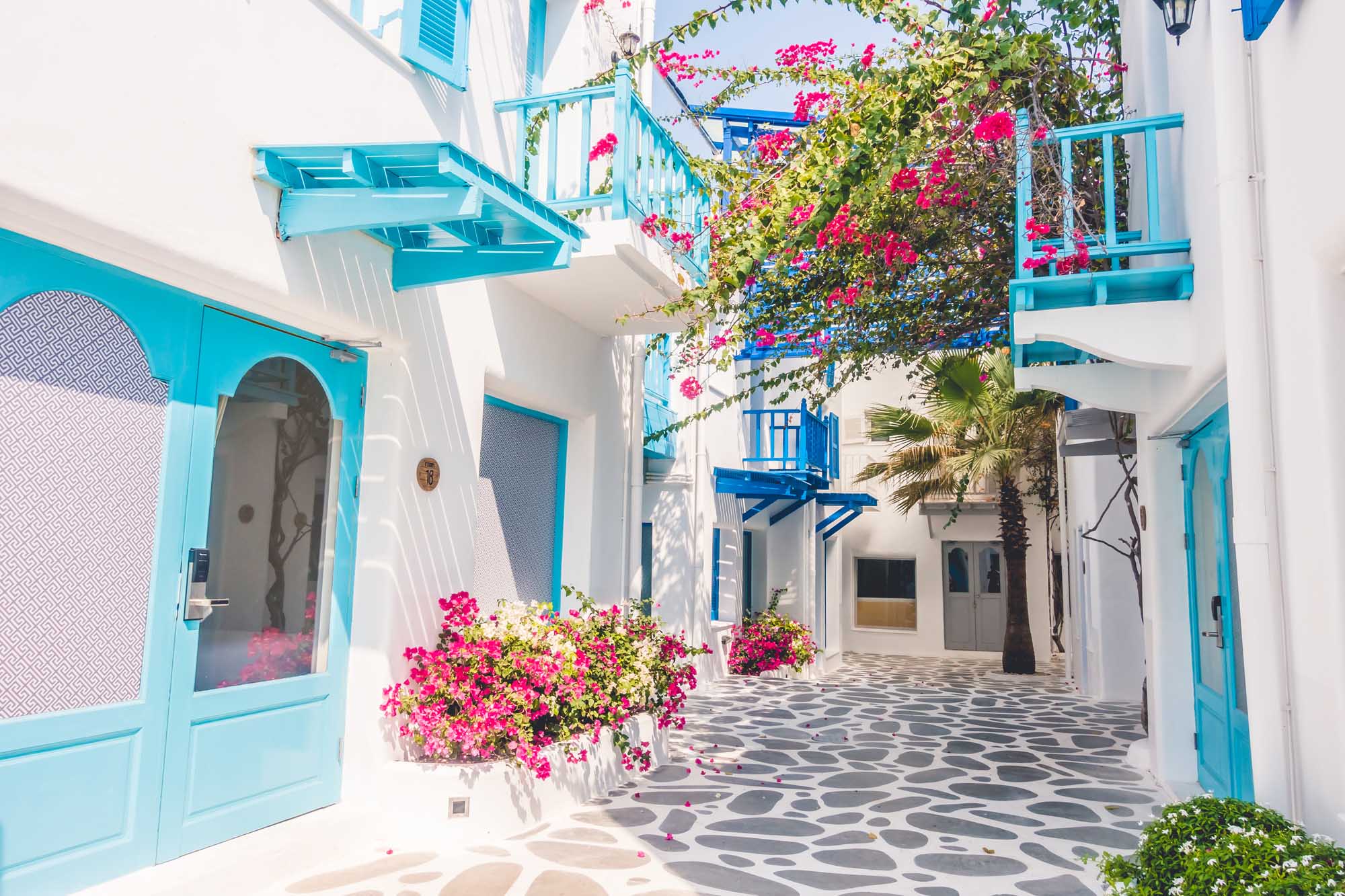
A stunning whitewashed Mediterranean courtyard featuring brilliant turquoise-blue doors, railings
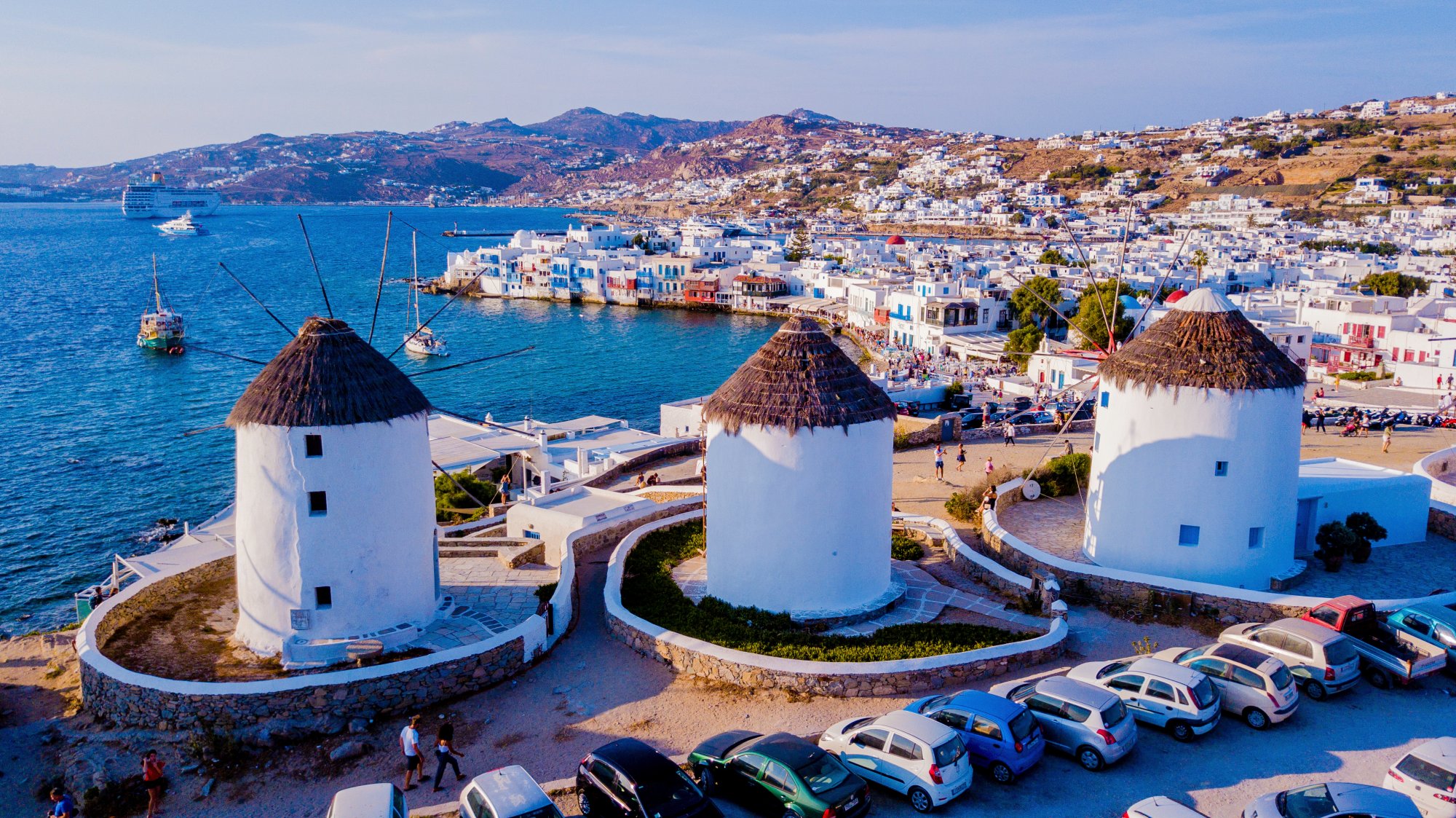
A picturesque view of Mykonos's iconic white-washed windmills with thatched roofs overlooking
A picturesque Greek island village featuring traditional Cycladic architecture with vibrant blue

Legendary Greek Flavors

Every port doubles as a meal worth planning a day around. Grilled octopus and fresh-caught fish anchor menus at seaside tavernas, Santorini’s volcanic Assyrtiko pairs naturally with local fava beans, and spanakopita still warm from a village oven is hard to pass up twice. Round it out with olives pressed nearby, thick Greek yogurt drizzled with honey, and baklava you will be craving long after you disembark.

Sun-Drenched Coastlines

More than 6,000 islands are scattered across the Aegean and Ionian seas, and each carries its own personality. Some dazzle with whitewashed clifftop villages set above a sapphire caldera; others charm with sleepy fishing harbors and turquoise coves you will share with almost no one. The cruising season, April through October, keeps the water warm enough for swimming at nearly every stop.

Ancient History & Culture

Greece holds 18 UNESCO World Heritage Sites, from the Acropolis of Athens to the medieval city of Rhodes. Walk the same stones where philosophers debated, athletes trained for the ancient games, and oracles delivered their prophecies, then step into working villages where centuries-old traditions still shape daily life on the smaller islands.

Popular Greece Cruise Itineraries

Greek sailings generally follow a handful of route patterns, and the right one depends on how much time you have and which islands are calling loudest. Your cruise travel advisor can map the itinerary that fits your schedule and your interests.
A large white cruise ship carefully navigates through an extremely narrow artificial waterway with high concrete walls on either side, showcasing remarkable maritime engineering and precision piloting in what appears to be a major canal lock system.

Aegean & Cyclades Circuit

Embarkation: Athens (Piraeus), most often roundtrip. Key Ports: Santorini, Mykonos, Rhodes, with a call at Delos on many sailings. Duration: 7 to 10 nights. This is the classic Greek island route and the one most first-time cruisers picture, blending caldera views, ancient sites, and lively harbor towns at an easy pace.

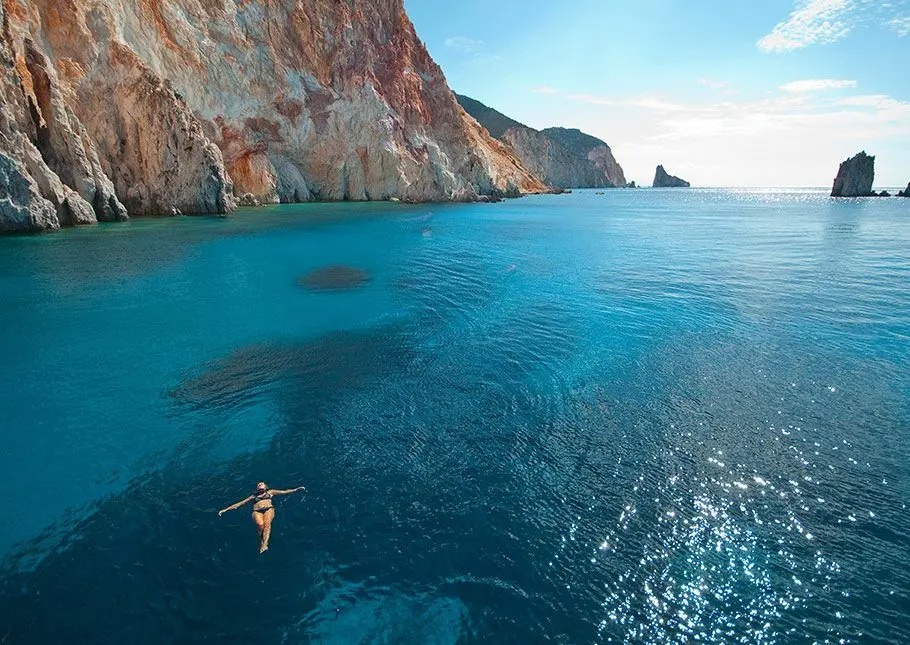
A swimmer floats in pristine turquoise Mediterranean waters beneath towering rust-colored Greek sea cliffs

Ionian Islands & Adriatic Extension

Embarkation: Venice or Athens, often one-way. Key Ports: Corfu, Zakynthos, Kefalonia, Dubrovnik. Duration: 7 to 10 nights. This route trades volcanic drama for forested hills, Venetian architecture, and sheltered coves, and it is a natural fit for travelers who want to pair western Greece with a broader Adriatic voyage.

Santorini cliffside village featuring white buildings and iconic blue-domed churches overlooking the Aegean Sea

Eastern Aegean & Turkey

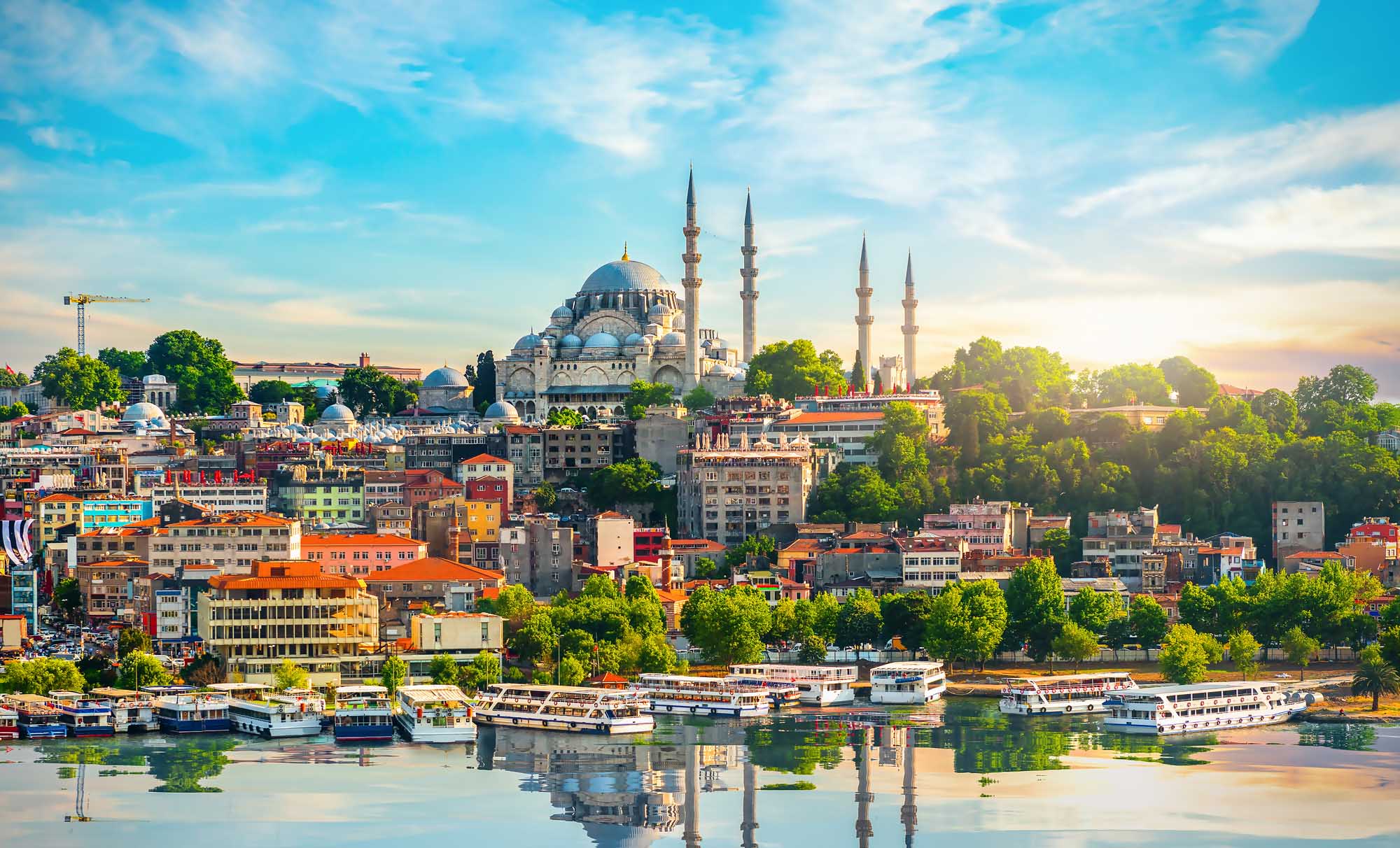
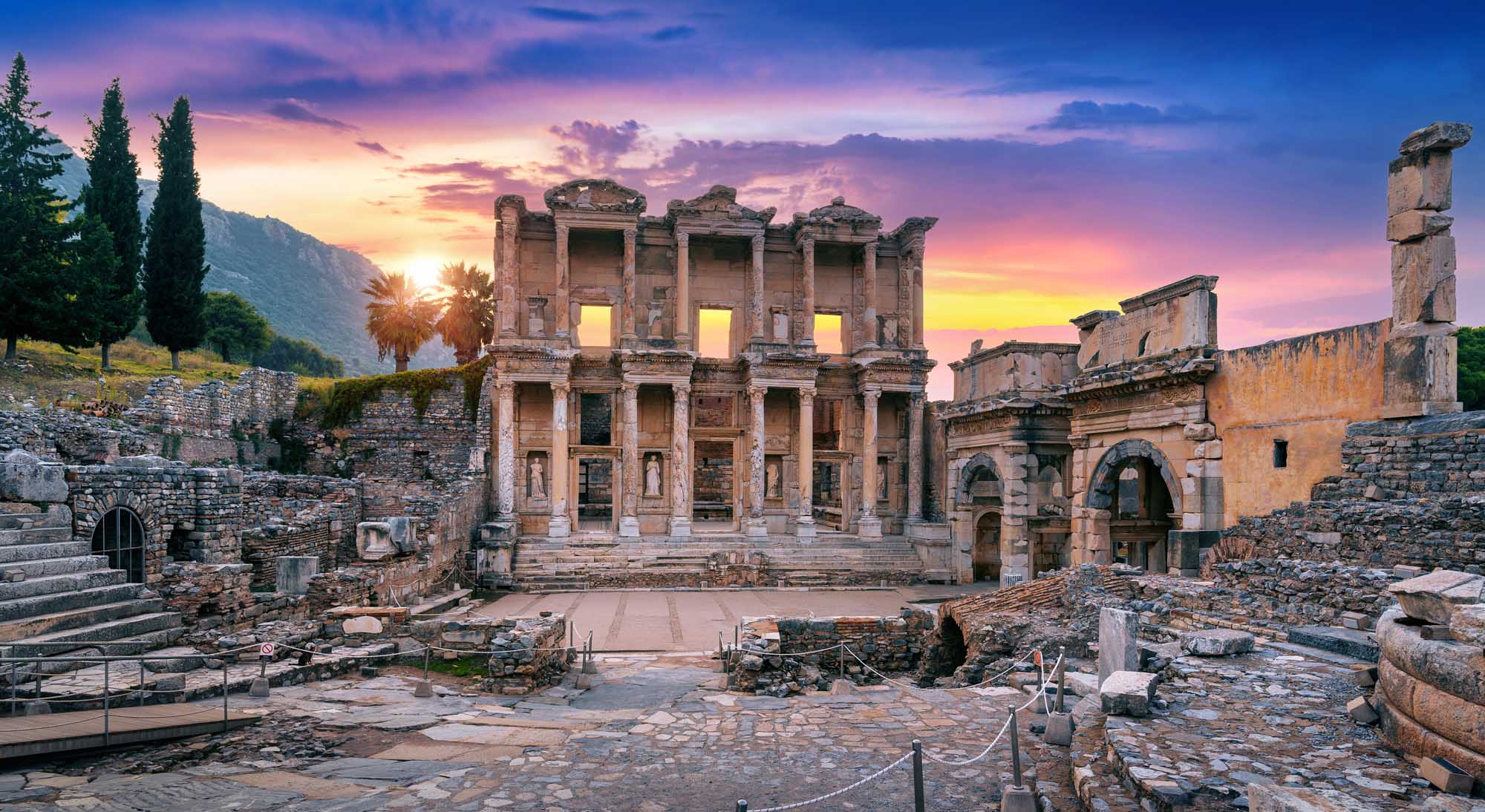
Embarkation: Athens (Piraeus) or Istanbul, roundtrip or one-way. Key Ports: Athens, Rhodes, Kusadasi for Ephesus, Istanbul. Duration: 10 to 14 nights. Longer sailings in this region often combine the Greek islands with the ancient ruins and bazaars of Turkey for a fuller eastern Mediterranean sweep.

Choosing Your Greece Cruise Style

Ships sailing Greek waters range from large contemporary vessels carrying thousands of guests to sailing yachts carrying barely a hundred, and matching the vessel to your travel style is half the decision. Large premium-contemporary ships from Celebrity, Princess, Royal Caribbean, and Norwegian Cruise Line deliver well-rounded itineraries and abundant amenities at the most accessible price points. Step up to Viking Ocean for longer port stays and a culturally focused pace. For adult-centric, all-inclusive sailings that reach smaller Aegean and Ionian harbors, Seabourn, Regent Seven Seas, Silversea, and Windstar carry far fewer guests and slip into places the big ships cannot follow. Compare the categories below to find your fit.

Ship Category Passengers Best For Key Benefits Relative Cost
Mega-Ship Resort 3,000 to 6,000 Families, first-time cruisers Extensive dining and entertainment, kids’ programs, easy access to Athens and Mykonos on short Aegean sailings $
Premium Contemporary 1,200 to 3,000 Couples, first Greece sailings Balanced port time, specialty dining, suite enclaves like The Retreat or The Haven with butler service not included in standard staterooms $$
Small Luxury 200 to 750 Couples wanting an all-inclusive, port-intensive trip All-inclusive fares, smaller-harbor access such as Ionian coves, higher staff-to-guest ratio – standard fleet-wide rather than a suite-only upgrade $$$
Sailing Yacht / Boutique 100 to 300 Travelers who want intimacy over size Under-sail ambiance, access to tiny Cycladic harbors, destination-immersive itineraries $$$$

Greek Ports of Call

The ports are where a Greece cruise stops being a view off the rail and becomes a place you actually walk through. Many sit beneath hilltop ruins or whitewashed villages reachable only by a winding climb, and each island carries a distinct character. Here is what to expect at the calls that anchor most itineraries.
Delos

An uninhabited islet and one of Greece’s 18 UNESCO World Heritage Sites, Delos was revered in antiquity as the birthplace of Apollo and Artemis. A short boat ride from Mykonos lands you among ancient temples, house mosaics, and the famous Terrace of the Lions. There are no hotels or restaurants here, only the open-air ruins of a sacred city, which makes the visit feel like stepping directly into the classical world.

Santorini

Greece’s most photographed island sits atop a flooded volcanic caldera, with cliffs rising close to 1,000 feet above the water. The whitewashed towns of Oia and Fira spill down the rock face, and the sunset views are the reason a thousand postcards exist. Wine lovers can sample crisp Assyrtiko grown in volcanic soil, and the island’s red and black sand beaches add an unusual twist most travelers do not expect.

Athens (Piraeus)

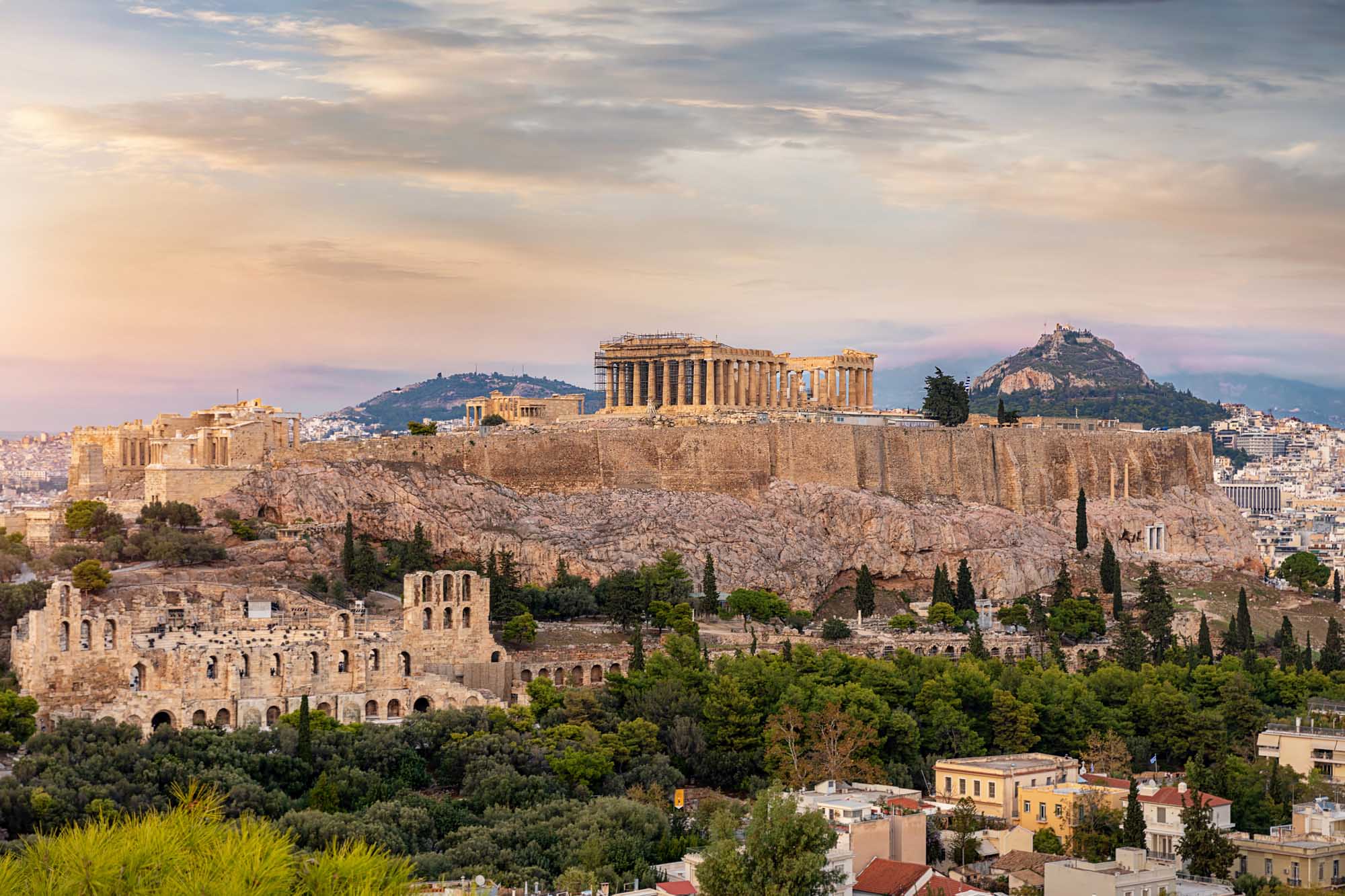
Athens is the heartbeat of nearly every Greek itinerary, and ships dock at Piraeus, a short transfer from the city center. From here you reach the Acropolis and its crowning Parthenon, the ancient Agora, and the extensive collections of the National Archaeological Museum. Piraeus is also a common embarkation and disembarkation point, which makes a pre- or post-cruise stay in Athens worth considering.

Corfu

The quieter face of Greece, set in the Ionian Sea off the western coast. Corfu wears centuries of Venetian, French, and British influence in its elegant Old Town, itself a UNESCO World Heritage Site, with arcaded lanes and a hilltop fortress overlooking the harbor. Lush green hillsides and turquoise coves give the island a softer character than the sun-baked Cyclades, and the local cuisine carries its own Ionian accent.

Mykonos

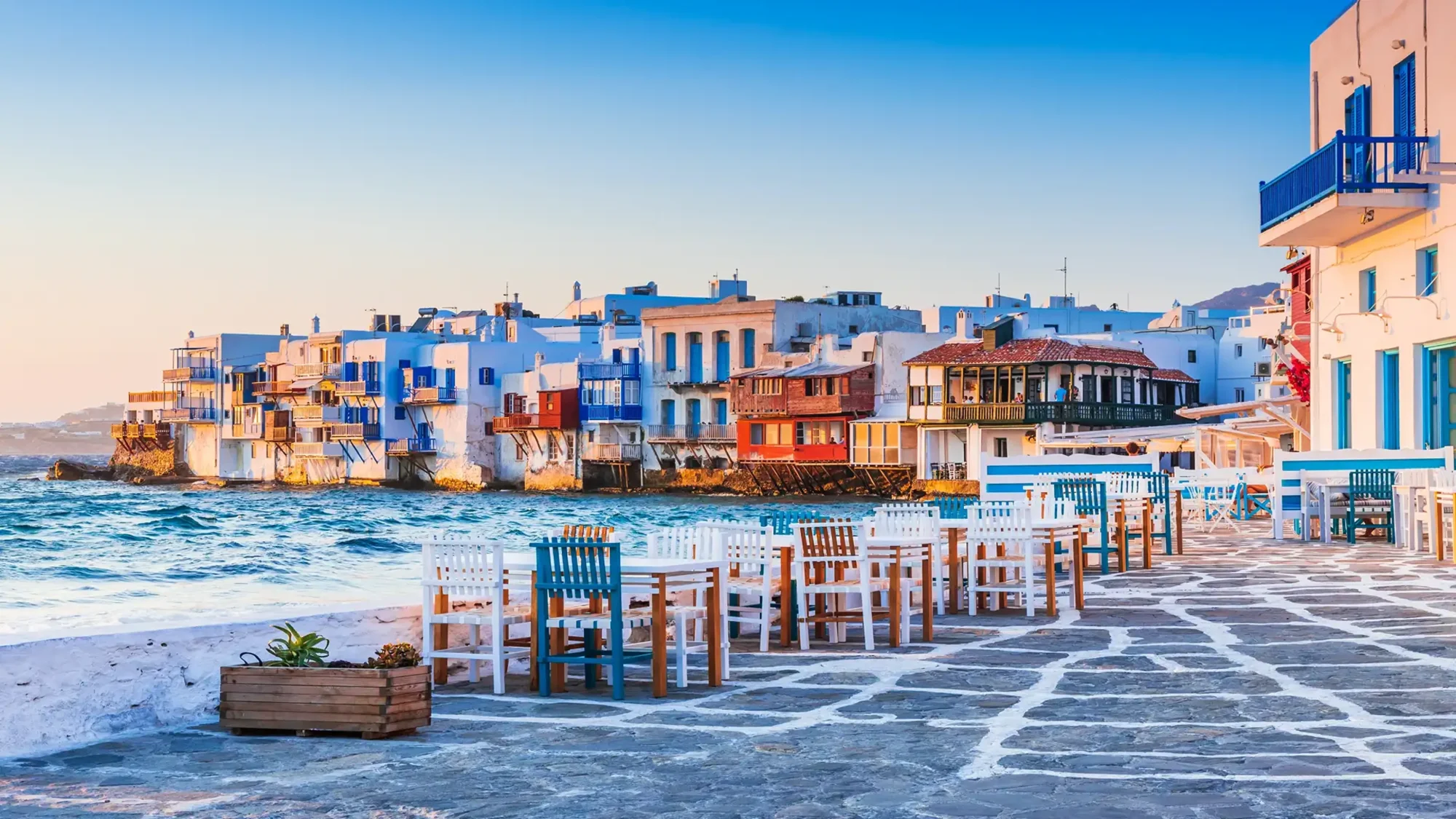
Cosmopolitan by day and lively by night, Mykonos is known for its iconic windmills, a labyrinth of whitewashed lanes, and a waterfront that stays busy well past sunset. Wander Little Venice, dine at harborside tavernas, and find a stretch of sand among the island’s beaches. Day trips to the sacred ruins on nearby Delos add a layer of antiquity to a stop that is otherwise about the moment.

Rhodes & Crete

Rhodes enchants with its walled Medieval Old Town, one of the best-preserved in Europe and a UNESCO World Heritage Site in its own right. Crete, the largest Greek island, draws travelers to the Bronze Age ruins at Knossos and a rich Cretan culture all its own. Together the two islands blend deep history, fine beaches, and traditions still practiced in mountain villages.

Colorful hillside harbor with moored boats in turquoise Mediterranean waters

Unforgettable Greek Shore Excursions

Greece’s shore options run deep. Climb to the Acropolis above Athens, watch the sunset from Oia’s caldera path, taste Assyrtiko at a Santorini vineyard grown in volcanic ash, take a boat to the sacred ruins on Delos, or wander the medieval streets of Rhodes before an afternoon on the beach. Your Extraordinary Adventures cruise travel advisor will help you weigh cruise line tours against independent options and match the day to your pace, and hands-on excursion booking is part of our White Glove Service for travelers who want that logistics handled end to end.

Beyond Greece

Many Greek itineraries can be extended or combined with neighboring destinations for a fuller voyage, and stitching those segments together well is exactly where a cruise travel advisor adds the most value. The Aegean touches several regions worth considering if you have the time.

  • Turkey – The ancient ruins of Ephesus near Kusadasi and the bazaars of Istanbul
  • Croatia – Medieval Dubrovnik and the island-studded Dalmatian Coast
  • Italy – Venice’s canals, the ruins of Rome, and the cliff-hugging villages of the Amalfi Coast
  • Holy Land & Beyond – Jerusalem, Petra, and the pyramids of Egypt on an extended eastern Mediterranean voyage
A stunning panoramic view of the iconic Acropolis with the Parthenon dominating the hilltop, bathed in golden hour light

Find your specialty cruise today!

We’ll help find the perfect specialty cruise—whether you’re crossing oceans, transiting canals, or exploring the ends of the Earth.

Young couple with backpacks pointing upward while smiling together

Our specialty cruise advisors will ensure your voyage is everything you dreamed.

Rarely will any of us make it to these extraordinary places more than once. So, if you’re going to do it at all, you should do it right. Let the experts at Extraordinary Adventures ensure that your voyage to these remote destinations is everything you dreamed it would be.

They don’t call us Extraordinary Adventures for nothing, you know.

Best Time to Cruise Greece

The Greek cruise season runs April through October, with peak demand from June through August. Spring (April and May) brings mild air temperatures in the low 60s to low 70s Fahrenheit, blooming landscapes, and thinner crowds at the marquee ports – an intimate setting many seasoned travelers prefer. Summer (June through August) delivers warm seas perfect for swimming, long sunny days, and lively nightlife, along with higher prices and heavier foot traffic in Santorini and Mykonos. Fall (September and October) offers pleasant temperatures in the 70s and 80s, seas still warm enough to swim, and a noticeable drop in crowds once the peak season winds down.
Scenic Eclipse Worldwide Discoveries cruise brochure featuring Antarctic, Arctic, and Mediterranean itineraries

Why Book with Extraordinary Adventures

Expert Advisors

Specialty cruise specialists who understand the unique requirements of expedition and world voyages.

Exclusive Perks

Access to special deals, onboard credits, and amenities not available when booking direct.

Personalized Planning

Custom recommendations for ships, itineraries, and cabin selection on complex voyages.

Full Support

Assistance from booking through disembarkation and beyond—we’re with you every step.

Greece Cruise FAQs

There is no single best line for Greece – the right fit depends on ship size, pace, and how inclusive you want the fare to be, and the comparison earlier on this page walks through those differences. Our advice: decide first between a large-ship itinerary and a small-ship or yacht-style sailing, since that choice shapes the ports you can visit and the onboard atmosphere more than any brand name does. Then let your cruise travel advisor match specific sailings to your dates and budget – peak-season Greece departures book up early, so the best staterooms go to travelers who plan ahead.

The Aegean and Cyclades circuit is the classic choice, with Santorini, Mykonos, and Rhodes delivering the scenery most travelers picture first, and it tends to run busier at the marquee stops. The Ionian Islands – Corfu, Zakynthos, Kefalonia – trade that drama for greener hills, Venetian architecture, and a quieter pace, and they pair naturally with an Adriatic extension. See our itinerary breakdown above for route and duration specifics.

Cabins on peak-season sailings that call at Santorini and Mykonos tend to book out early, so 9 to 12 months ahead gives you the best selection of balcony and suite categories. Shoulder-season sailings in spring and fall generally leave more flexibility. Your advisor can flag the specific booking window for the ship and itinerary you have in mind.

Most travelers prioritize Santorini for its caldera views, Mykonos for its atmosphere and nightlife, Crete for its layered history, and Rhodes for its walled Medieval Old Town. If you would rather see a quieter side of Greece, ask about itineraries that swap in islands like Naxos or Paros in place of one of the busier headline stops.

The approach matters in Greece. Sailing into Santorini’s caldera, ringed by cliff-top towns, is one of the great arrivals in cruising. Mykonos shows off its windmills and whitewashed waterfront from the rail, and the harbor at Rhodes frames the medieval ramparts beautifully. A balcony cabin or a spot on an open deck turns these entrances into part of the trip rather than something glimpsed through a window.

Most Greece-focused cruises run 7 to 10 nights, enough to visit 4 to 6 islands and ports without feeling rushed. If you want to fold in Turkey, Croatia, Italy, or the Holy Land, look at the 10 to 14 night itineraries described above. Your advisor can balance pace against the ports you most want to see.

U.S. citizens do not need a visa for stays up to 90 days within any 180-day period across the Schengen Area, which includes Greece. Your passport should stay valid for at least three months beyond your planned departure from the Schengen Area, and we recommend at least six months of validity to avoid issues at any non-Schengen port your itinerary may include.

Greece uses the Euro. Credit cards are widely accepted in tourist areas, hotels, and larger restaurants, but it pays to carry some cash for small purchases, local tavernas, taxis, and the smaller islands and villages where card readers are less reliable. ATMs are easy to find in the main ports.

The classics fill up fast, so it pays to book ahead. Athens delivers the Acropolis and Parthenon over uneven marble steps that call for sturdy shoes, Santorini rewards the walk through Oia to the caldera sunset, and Mykonos puts you within reach of the ancient sanctuary on nearby Delos. Crete adds the Bronze Age palace at Knossos. Popular tours at these ports have limited capacity, so ask your advisor to reserve them early rather than waiting until you are onboard.

They work well. Kids swim off famous beaches, climb through ancient ruins, and meet new cultures port by port. Keep in mind that many Greek ports use tenders rather than direct docking and that town centers often run on cobblestone lanes and stepped alleys, so a stroller is not always practical – a child carrier or comfortable shoes work better on islands like Santorini and Mykonos.

Religious sites in Greece require modest dress, which means covering shoulders and knees for everyone. Some monasteries ask women to cover their heads, and a few expect long skirts rather than pants. Many sites keep wraps or skirts at the entrance for visitors who arrive unprepared, but packing a light scarf saves you the wait at the door.

Affiliated with Travel Planners International, a Member of Signature Travel Network. Florida Seller of Travel #ST41877 | myextraordinaryadventures.com | @cruiseandtravel