Specialty Cruises: Antarctica, the Galapagos, the Panama Canal, and Beyond

A specialty cruise takes you where the standard cruise map simply doesn’t go. Ushuaia to the Antarctic Peninsula, the locks of the Panama Canal, the volcanic shores of the Galapagos, or a single ship carrying you the entire way around the globe – these voyages ask more of the traveler and give back a different kind of trip in return. Extraordinary Adventures helps you match the right specialty route to the right ship, season, and itinerary length, so the planning stays as considered as the destination itself.

Specialty itineraries often involve overland connections most cruisers never think about – a charter flight to Ushuaia before an Antarctic sailing, a multi-city stopover ahead of a world voyage, or coordinating flights around a one-way Panama Canal transit. For voyages with this many moving parts, our White Glove Service can manage the logistics end to end.

Your Extraordinary Specialty Cruise Adventure Awaits

From immersive culinary voyages to wildlife-focused expeditions, specialty cruises offer curated adventures perfectly tailored to your unique passions. Browse four inspiring photos that highlight the unique experiences awaiting you onboard.
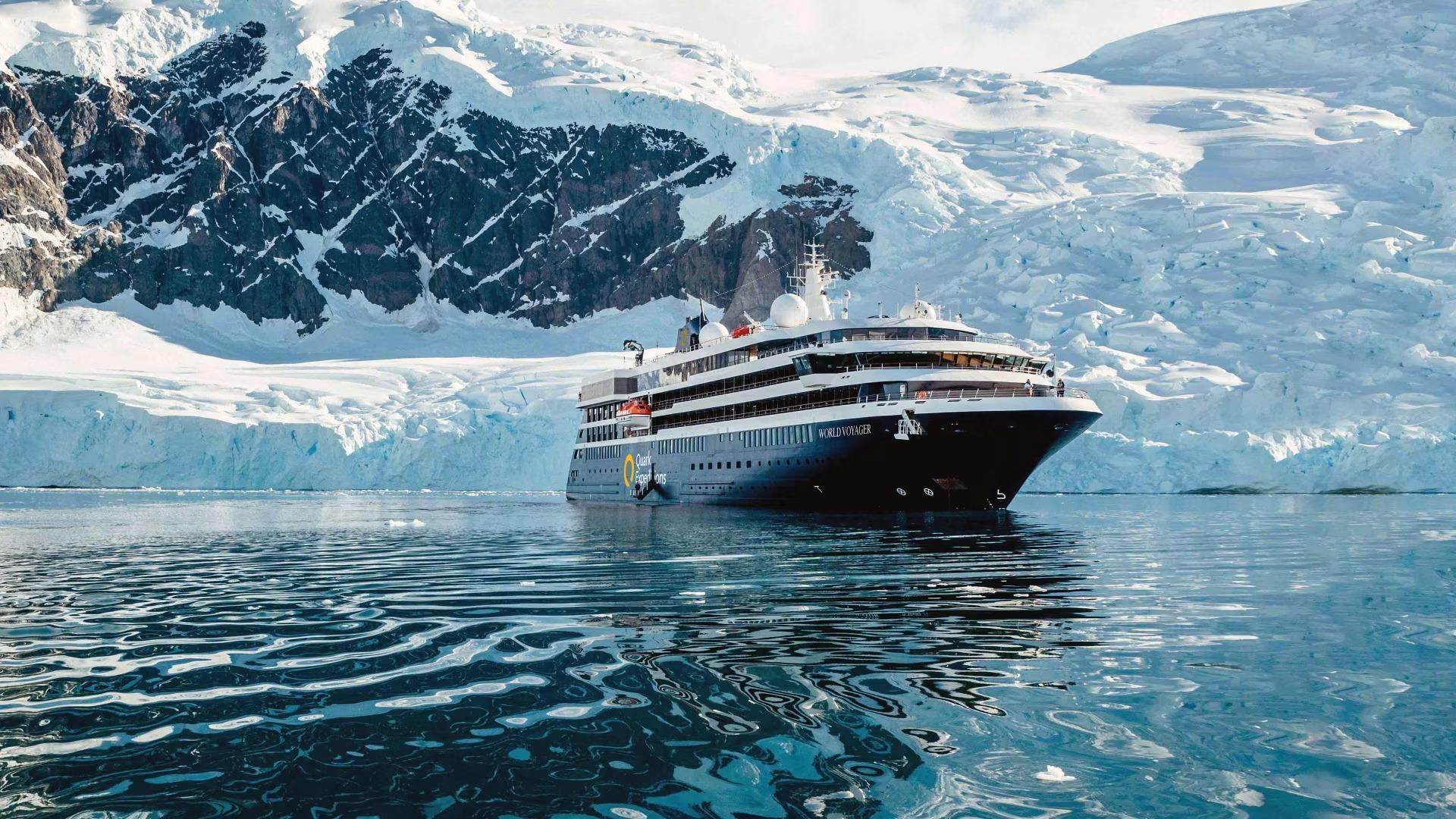
The expedition cruise ship World Voyager surrounded by icebergs in Antarctic waters
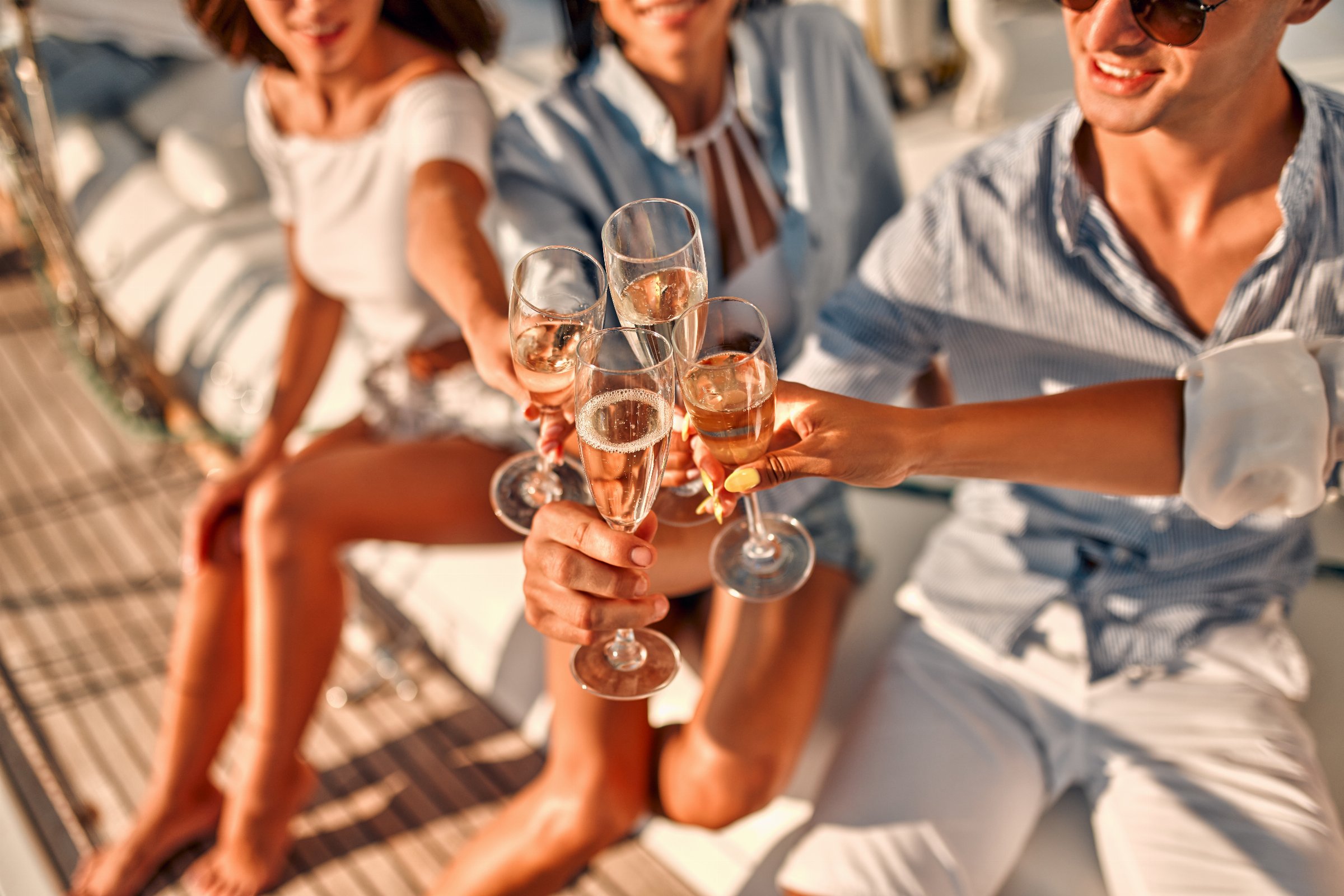
Guests raising a champagne toast on a yacht deck
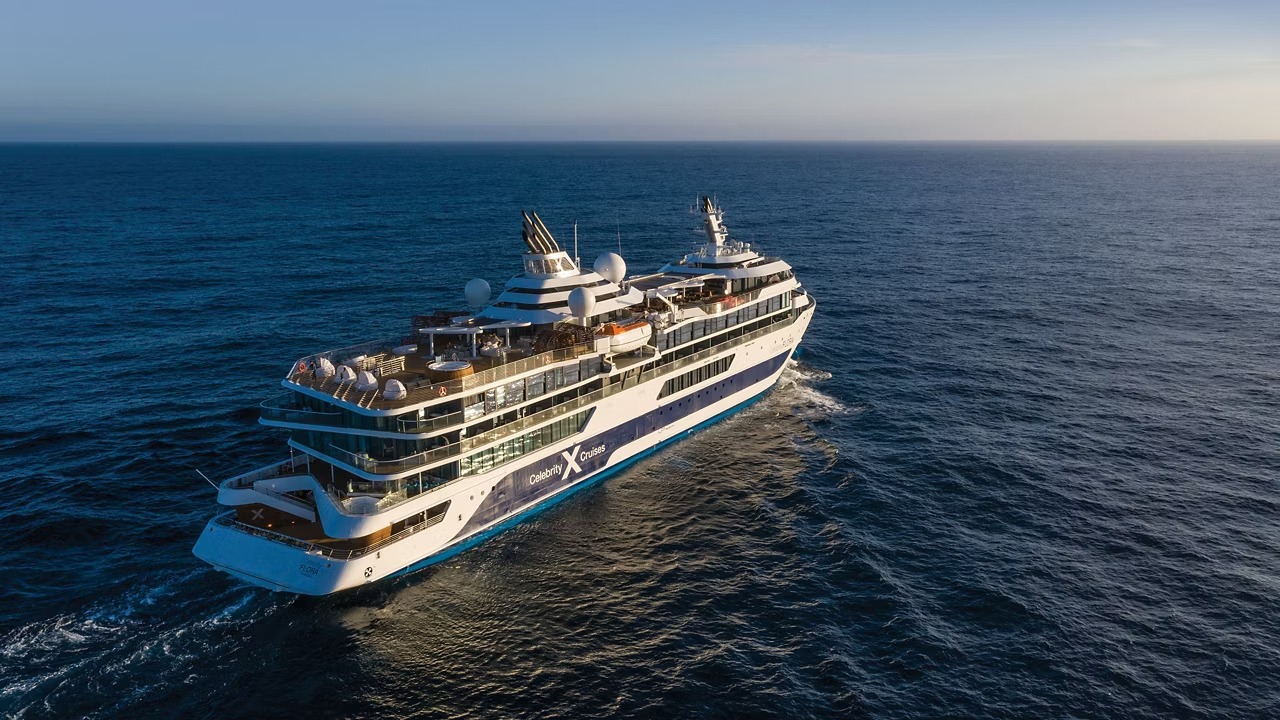
Luxury expedition cruise ship Celebrity Flora sailing through Galápagos waters
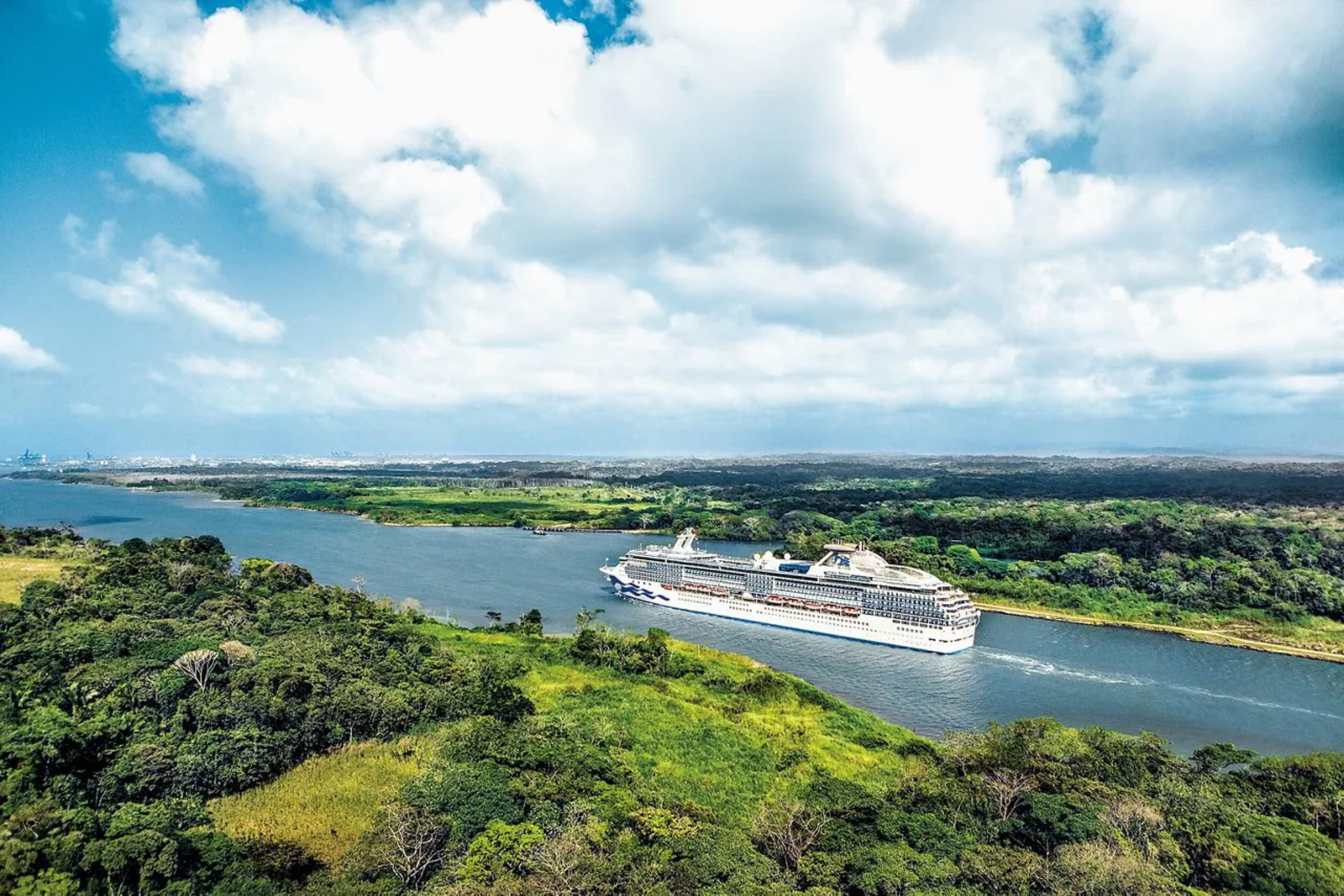
A large modern cruise ship navigates through Gatun Lake surrounded by lush tropical rainforest and verdant vegetation. The image captures an aerial perspective of the vessel in the waterway with dense green foliage on both shorelines and a bright blue sky with white clouds overhead.

Epic Journeys

Some voyages measure themselves in nights, not days. World and grand voyages run 60 to 180 nights or more, circling the globe or tracing an entire continent’s coastline in the unhurried style that defined ocean travel long before air travel existed. Transoceanic crossings carry that same spirit across a single ocean, with sea days that are the point of the trip rather than a gap between ports.

Unique Wildlife

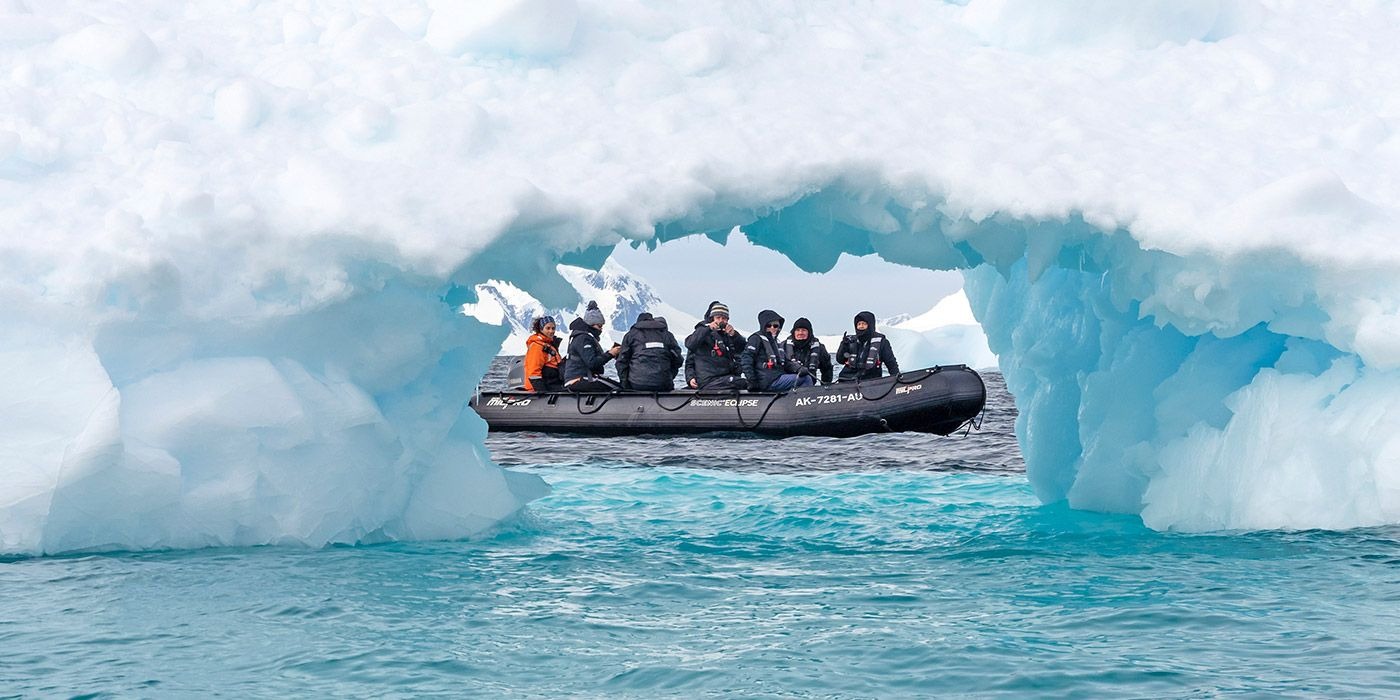
The Galapagos archipelago puts you face to face with giant tortoises, marine iguanas, blue-footed boobies, and the finches that shaped Darwin’s thinking, species found nowhere else on Earth. Antarctic sailings bring penguin colonies and drifting icebergs into view from a Zodiac at water level, while Arctic and North Pole expeditions track polar bears across the pack ice under the Northern Lights.

Landmarks Few Travelers Reach

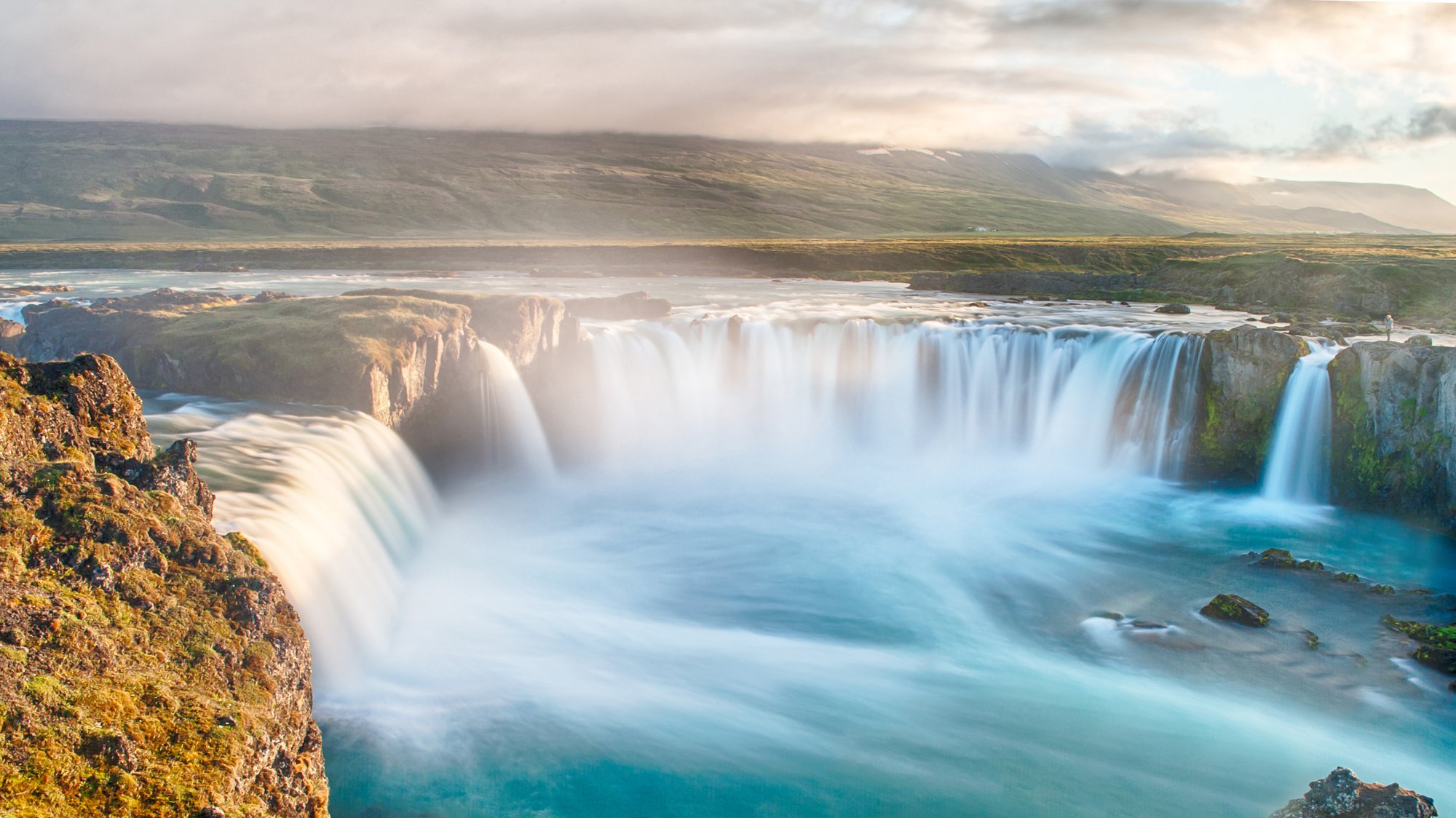
The Panama Canal earned a place among the American Society of Civil Engineers’ seven wonders of the modern world, and transiting its locks is one of the rare times the ship itself becomes the attraction. Antarctica holds the distinction of being the 7th continent, reachable only by expedition ship and only during its short Southern Hemisphere summer season.

Specialty Cruise Route Types

Specialty sailings split into a handful of distinct route types, and the right one comes down to how much time you have and what kind of adventure you’re chasing. Your cruise travel advisor can walk through season, ship, fitness, and duration so the voyage you book matches the one you’ve actually been picturing.
The expedition cruise ship World Voyager surrounded by icebergs in Antarctic waters

Polar Expedition Routes

Gateway Ports: Ushuaia, Argentina for Antarctica; Longyearbyen or Reykjavik for the Arctic. Ship Type: Purpose-built, ice-strengthened expedition vessels. Duration: 10 to 25+ nights. These routes trade port-to-port sailing for Zodiac landings and drift-ice navigation, with itineraries that flex around weather and ice conditions day to day.

Expedition cruise ship anchored in icy polar waters beneath volcanic peaks

Galapagos & Panama Canal Routes

Gateway Ports: Guayaquil or Baltra for the Galapagos; Colon and Balboa for the Panama Canal. Ship Type: Small licensed vessels in the Galapagos, resort-size ships for canal transits. Duration: 7 to 14 nights. These shorter specialty routes pair naturally with a standard Caribbean or South American sailing for travelers easing into specialty cruising.

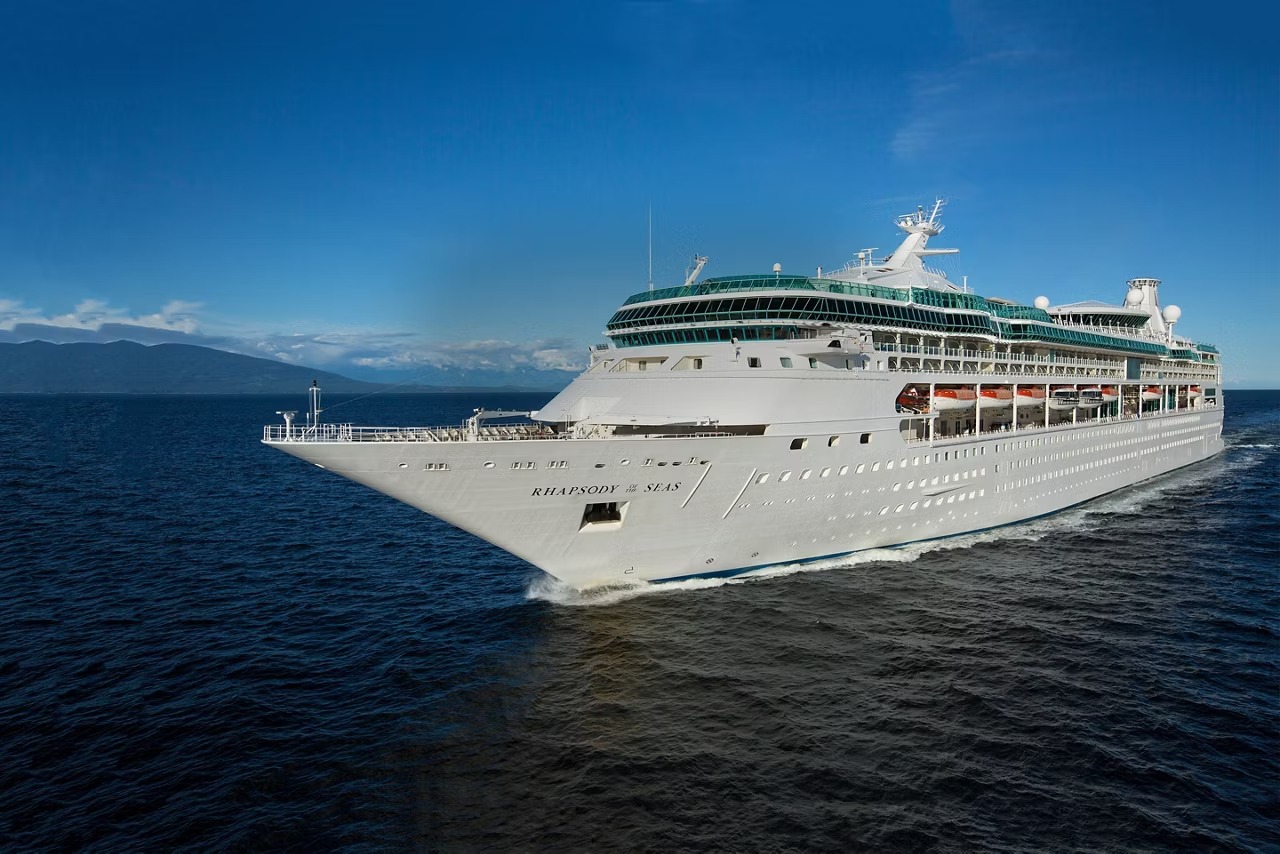
Rhapsody of the Seas cruise ship sailing through open ocean waters under clear blue sky

World & Grand Voyage Routes

Gateway Ports: Vary by segment, often Los Angeles, Miami, or Southampton. Ship Type: Premium and luxury ocean ships built for extended living aboard. Duration: 60 to 180+ nights, or booked as individual segments. These routes link entire regions together, so choosing the right stateroom and dining package matters more than on any other cruise.

Choosing Your Specialty Cruise Ship

Specialty ships range from ice-rated expedition vessels carrying a hundred guests to premium ocean ships built for a season-long circumnavigation, and the right one depends more on the kind of adventure you want than on budget alone. Here’s how the main categories compare.

Ship Category Passengers Best For Key Benefits Relative Cost
Grand Voyage Ocean Ships 1,200 to 3,000 Retirees and travelers ready to live aboard for months at a time Extended-stay staterooms, varied dining venues, enrichment lectures across long sea days $$
Purpose-Built Polar Expedition Ships 100 to 500 Adventure travelers and wildlife enthusiasts PC-rated ice-strengthened hulls, full Zodiac fleets, and expedition teams; on lines like Seabourn Expedition and Silversea Expedition, all-suite accommodations and all-inclusive fares are standard fleet-wide, not an enclave upgrade $$$
Small Licensed Galapagos Vessels 16 to 100 Nature lovers and eco-conscious travelers Ecuadorian-government licensing, naturalist guides required on every excursion, access within the archipelago’s 100-passenger-per-day cap $$$
Resort-Style Panama Canal Ships 2,000 to 4,000+ Travelers who want a full-service cruise alongside an engineering-marvel transit Standard resort amenities plus a full or partial daylight canal crossing, with observation decks positioned for lock viewing $$

Specialty Cruise Destinations

Specialty cruising reaches places that don’t fit a normal port list, and each one rewards a traveler for a different reason. Here’s a closer look at what each destination actually delivers once you’re there.
Panama Canal

Transiting the Panama Canal means watching your ship rise and fall through the Gatun Locks as freshwater from Gatun Lake carries it between two oceans. Since the 2016 expansion, the Neopanamax locks accommodate ships as large as Norwegian Bliss, at 168,028 gross tons, while smaller vessels like Seabourn Ovation offer a more intimate crossing. Laura Stein, co-founder of Extraordinary Adventures, was moved by the rainforest views along the canal’s banks.

Antarctica

Antarctica is the only continent with no permanent residents, and reaching it means sailing south from Ushuaia through the Drake Passage aboard a purpose-built expedition ship. Zodiac landings put you on shore among penguin colonies and drifting icebergs, all under strict IAATO conservation guidelines that govern every landing site.

The Galapagos Islands

Ecuador enforces a 100-passenger-per-day cap across the Galapagos archipelago, and that regulation, not marketing, shapes what a Galapagos cruise actually looks like. Naturalist guides accompany every excursion, walking small groups past giant tortoises, marine iguanas, and blue-footed boobies that show little fear of visitors.

Arctic & the Northwest Passage

Arctic sailings trace the Northwest Passage through ice-strewn channels that defeated explorers for centuries, reaching toward the North Pole aboard ice-strengthened ships. AECO guidelines govern landings here the way IAATO governs Antarctica, and 24-hour daylight during the June-to-September season makes late-night wildlife viewing routine.

World & Grand Voyage Regions

A world voyage doesn’t sail to one destination so much as stitch dozens of them together, often crossing several continents on a single ticket. Because the ship stays home for months, itinerary planners weigh which regions get full port days versus overnight calls, and how the route sets up connections for guests booking a single segment rather than the whole circumnavigation.

Transoceanic Crossings

A transoceanic crossing measures its days at sea in the dozens, not the single digits, with the open ocean itself as the destination. Cunard’s Queen Mary 2, the world’s only genuine ocean liner, still runs a regular transatlantic schedule between New York and Southampton, built for exactly this kind of crossing.

Vibrant outdoor cafés line Christchurch's historic New Regent Street with red umbrellas and a vintage tram

Planning Your Specialty Cruise Excursions

Specialty cruise excursions look different from a typical shore day. Antarctic and Arctic sailings run Zodiac landings and polar plunges instead of walking tours, Galapagos excursions pair snorkeling alongside sea lions with naturalist-led nature walks, and Panama Canal crossings are often watched from an open observation deck rather than booked as a land tour at all. Because excursion availability on expedition ships depends on weather, ice conditions, and daily group-size limits, we recommend working through the options with your cruise travel advisor rather than booking sight unseen. Hands-on excursion booking management is one of the ways our White Glove Service supports a complex, multi-region specialty itinerary.

Extending Your Specialty Voyage

Many specialty itineraries link to a neighboring region for a longer, more ambitious voyage, and coordinating those extra segments well is exactly where a dedicated planning hand earns its keep. A single world voyage might combine an Antarctic swing with South American port calls, or a Panama Canal transit might roll straight into a Caribbean or Alaska sailing on the same ship. For itineraries built from several of these segments, our White Glove Service manages the flights, transfers, and overland connections between them, so the logistics stay invisible and the voyage stays the point.

  • South Georgia & the Falkland Islands – A common add-on to Antarctic sailings, reached for its enormous king penguin and elephant seal colonies
  • Trans-Pacific Crossings – Multi-week repositioning voyages connecting the Americas to Asia and the South Pacific across open ocean
  • Suez Canal Transits – Link Mediterranean and Red Sea itineraries into a single extended world voyage segment
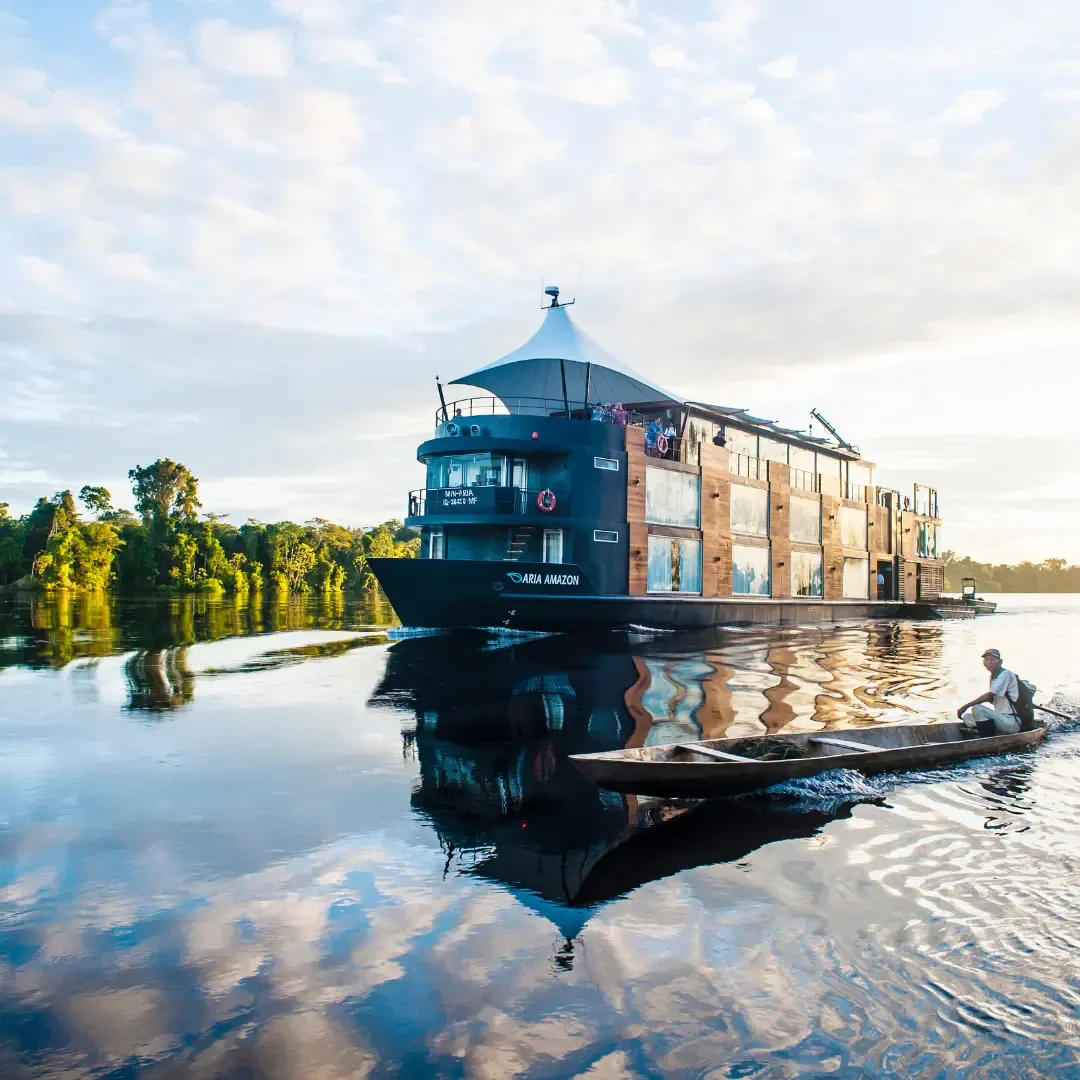
  • Amazon River Extensions – Add a river segment onto a South American specialty sailing for a look at the rainforest from the water
Handmade artisan soaps and natural products displayed on retail shelf at spa boutique

Find your specialty cruise today!

We’ll help find the perfect specialty cruise—whether you’re crossing oceans, transiting canals, or exploring the ends of the Earth.

Young couple with backpacks pointing upward while smiling together

Our specialty cruise advisors will ensure your voyage is everything you dreamed.

Rarely will any of us make it to these extraordinary places more than once. So, if you’re going to do it at all, you should do it right. Let the experts at Extraordinary Adventures ensure that your voyage to these remote destinations is everything you dreamed it would be.

They don’t call us Extraordinary Adventures for nothing, you know.

Best Time for a Specialty Cruise

Timing carries more weight on a specialty cruise than on almost any other sailing, since the windows are narrow and the wildlife runs on its own calendar. Antarctica sails November through March, the Southern Hemisphere summer, with the heaviest penguin and whale activity in January and February. The Arctic and Northwest Passage open June through September, when 24-hour daylight keeps the ice navigable. The Galapagos runs year-round, split between a warm, wet season from December to May and a cooler, drier season from June to November, so departures here allow more flexibility than the polar regions. Panama Canal transits stay comfortable in nearly every month, which is part of why they make an easy entry point into specialty cruising.
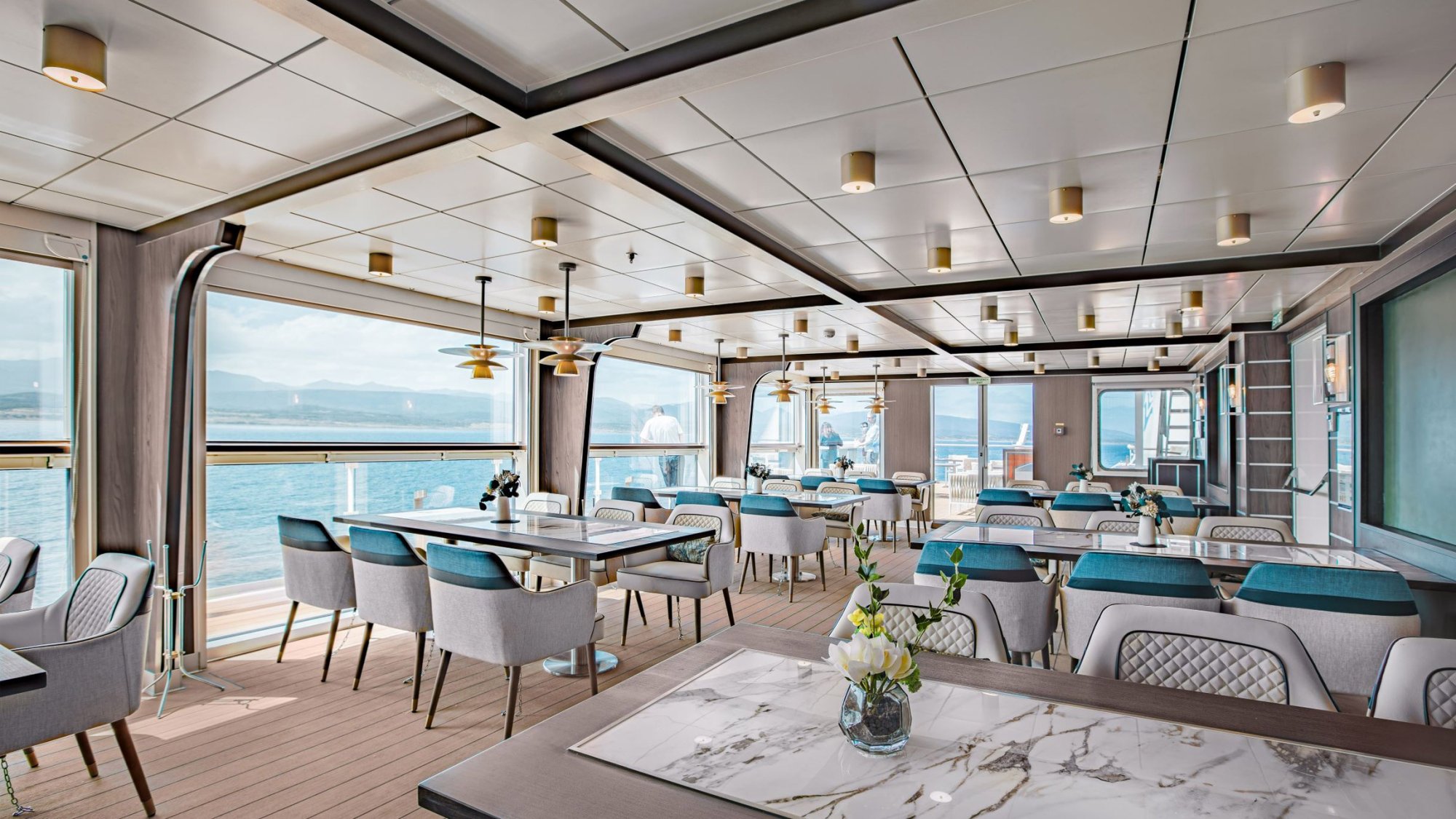
An elegant specialty dining venue aboard a cruise ship featuring floor-to-ceiling ocean views, contemporary furniture with teal and gray upholstery, marble-topped tables, and a sophisticated coffered ceiling with brass accents. The space showcases panoramic sea vistas with coastal mountains visible in the distance.

Why Book with Extraordinary Adventures

Expert Advisors

Specialty cruise specialists who understand the unique requirements of expedition and world voyages.

Exclusive Perks

Access to special deals, onboard credits, and amenities not available when booking direct.

Personalized Planning

Custom recommendations for ships, itineraries, and cabin selection on complex voyages.

Full Support

Assistance from booking through disembarkation and beyond—we’re with you every step.

Specialty Cruise FAQs

It depends entirely on which specialty route you’re after. For polar expeditions, look at Hurtigruten, Quark Expeditions, Ponant, Seabourn Expedition, or Silversea Expedition. For the Galapagos, the purpose-built Celebrity Flora and select Silversea sailings operate under Ecuador’s conservation rules. Panama Canal transits run strong on Princess, Norwegian, and Seabourn. For world voyages, Oceania, Viking, Regent Seven Seas, and Cunard each bring a different onboard character to a long itinerary. Your cruise travel advisor can match the line to the route you actually want.

Both deliver a different kind of wild, so it comes down to which one you’re chasing. The Galapagos offers giant tortoises, marine iguanas, blue-footed boobies, and Darwin’s finches in a temperate, 7-to-14-night format that’s an accessible entry into remote-ecosystem travel. Polar expeditions push further, with penguin colonies, icebergs, and Zodiac landings across 10 to 25 nights in far colder conditions. We help weigh season, fitness, and budget before anything gets booked.

Timing is covered in detail above, but a quick planning note worth adding: Antarctic sailings sell out their prime January and February departures well over a year ahead, since ship capacity is capped and demand runs high in that exact window. If you have flexibility, shoulder-month departures in November or March cost less and still deliver strong wildlife viewing.

Beyond the flagship names, a few specifics help narrow things down. Silversea Expedition and Seabourn Expedition both run PC-rated ships built specifically for polar ice. Celebrity’s Flora carries just 100 guests through the Galapagos under Ecuadorian environmental oversight. Cunard’s Queen Mary 2 remains the only true ocean liner still running a scheduled transatlantic crossing rather than a cruise-style itinerary. Your advisor can walk through which ship fits your comfort level.

It comes down to the adventure you’ve been picturing. A Panama Canal transit pairs an engineering landmark with comfortable, nearly year-round conditions and a shorter sailing, which makes it a gentle entry point. The Galapagos suits nature lovers ready for a small ship and naturalist-led days. World voyages and polar expeditions ask for more time, budget, and physical readiness. Our cruise travel advisors talk through fit before anything gets booked.

Full circumnavigations generally run 60 to 180 nights or more, but you don’t have to commit to the entire route. Most lines sell individual segments of roughly 10 to 30 nights, so you can experience a single leg, say South America or Southeast Asia, without booking the full voyage. That flexibility makes world cruising more approachable than the total night count suggests.

It varies by route. Antarctica has no permanent population and no visa requirement, since it falls under the Antarctic Treaty System rather than any single country. A Galapagos cruise requires a valid Ecuadorian tourist entry, typically granted on arrival for US citizens, plus a separate Galapagos transit control card arranged through your cruise line. Panama Canal transits that don’t include a land visit generally require no visa. Always confirm current requirements with your advisor before departure.

Less than you’d think. Panama uses the US dollar as its official currency, so no exchange is needed for shore time there. The Galapagos, part of Ecuador, also uses the US dollar. Arctic gateway ports in Norway and Iceland use the krone and krona respectively, though shipboard accounts run in US dollars on most lines regardless of destination. Antarctica has no currency needs at all beyond your onboard account, since there are no ports to shop in.

The options are covered in detail above, but it’s worth flagging early: expedition excursions like Zodiac landings and polar plunges are often included in the base fare on polar and Galapagos sailings, while Panama Canal deck-viewing typically requires no separate booking at all. Because slots on small excursion groups fill quickly, book through your advisor as soon as your cabin is confirmed rather than waiting until closer to departure.

It depends on the route. Panama Canal transits and many world voyage segments welcome families and come with standard onboard kids’ programming through the mainstream lines that run them. Polar expeditions and small Galapagos ships are a different story: most expedition operators set minimum ages, often 8 to 12 years old depending on the ship, due to Zodiac landings, cold-weather conditions, and long sea days. Check the specific line’s age policy with your advisor before booking a polar or Galapagos sailing for a family.

Pack for the extremes of your specific route rather than a general packing list. Polar sailings call for insulated waterproof layers, a windproof outer shell, and sturdy waterproof boots for wet Zodiac landings, since most expedition lines provide the parka but not the base layers. Galapagos trips need lightweight, quick-dry clothing, reef-safe sunscreen, and water shoes for wet landings on volcanic sand. Panama Canal crossings need nothing more than standard warm-weather cruise wear, since temperatures stay comfortable through most of the transit.

Affiliated with Travel Planners International, a Member of Signature Travel Network. Florida Seller of Travel #ST41877 | myextraordinaryadventures.com | @cruiseandtravel